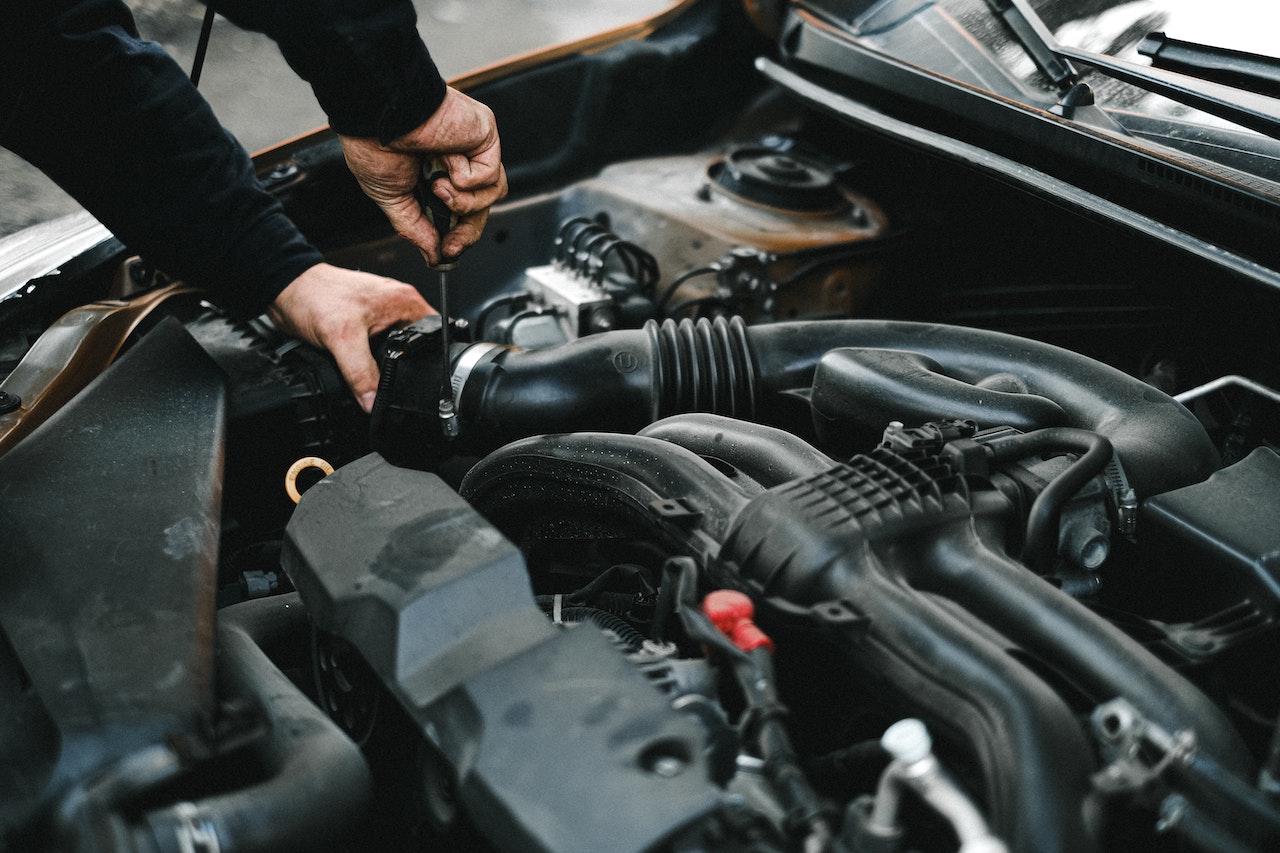

Your check engine light has been on for two weeks and the car still drives fine, so you’ve been putting off doing anything about it. That’s the most common way a small, cheap fix turns into an expensive one. A proper car diagnostic check in Adelaide takes the guesswork out of what’s actually going on under the bonnet, and catching a problem early is almost always cheaper than waiting for it to get worse.
What Does a Car Diagnostic Check Actually Involve?

A car diagnostic check uses a scan tool plugged into your vehicle’s onboard computer (the OBD-II port) to read fault codes stored by the engine, transmission, ABS, and other control modules. Modern cars have dozens of sensors constantly monitoring things like oxygen levels in the exhaust, engine temperature, fuel trim, and wheel speed. When a reading falls outside its expected range, the computer logs a code and usually lights up a warning icon on your dash.
The scan tool pulls those codes, but that’s only the starting point. A code like “P0301” tells a technician there’s a misfire on cylinder one — it doesn’t tell them why. That’s where an experienced mechanic earns their keep: interpreting the code alongside a physical inspection, test drive, and sometimes live data monitoring to pin down the actual cause rather than just clearing the light and hoping it doesn’t come back.
8 Signs Your Car Needs a Diagnostic Check
Some of these symptoms are obvious. Others are easy to write off as “just how the car sounds now” — which is exactly how minor issues turn into major repair bills.
1. The check engine light is on (steady or flashing). A steady light means get it checked soon. A flashing light means stop driving and get it checked now — it often indicates an active misfire that can damage your catalytic converter within minutes of continued driving.
2. Rough idling or stalling at stops. If your car shudders while sitting at a red light, or the engine occasionally dies when you come to a stop, something in the fuel or ignition system usually needs attention.
3. Noticeable drop in fuel economy. Filling up more often than usual without a change in your driving habits is a classic sign of a failing oxygen sensor, dirty fuel injectors, or a vacuum leak.
4. Hesitation or lack of power under acceleration. If you push the pedal and the car takes a beat to respond, or it feels like it’s holding itself back, that delay is worth investigating before it turns into a total loss of power.
5. Strange smells — burning, sulfur, or fuel. A rotten-egg smell often points to a catalytic converter problem. A burning smell can mean an oil or coolant leak onto a hot surface. Neither should be ignored.
6. Unusual noises: clunking, grinding, or ticking. Engine ticking under load can indicate low oil pressure or a timing issue. These noises rarely fix themselves and almost always get louder.
7. Warning lights beyond the check engine light. ABS, traction control, battery, and oil pressure warnings all point to specific systems. Multiple lights on at once often means a shared electrical fault, like a failing alternator.
8. The car recently failed, or is due for, a roadworthy or logbook inspection. If it’s been a while since your last visit, a diagnostic scan alongside your log book service gives you a clear picture of what’s actually happening electronically, not just what’s visible on a physical inspection.
Why Ignoring These Signs Costs You More Later
A $120 diagnostic appointment sounds like an unnecessary expense right up until you compare it to the alternative. An oxygen sensor that costs around $150 to replace, left unaddressed, can foul a catalytic converter that costs several times that to replace. A minor coolant leak ignored for a few months can turn into a blown head gasket — a repair that can run into the thousands rather than hundreds.
There’s also the safety angle. Brake-related fault codes, steering sensor faults, and airbag system warnings aren’t things you want to gamble on. Diagnostics exist to catch these problems while they’re still small, controllable, and affordable to fix.
What Happens During a Diagnostic Appointment at Nextech Auto Repairs
At Nextech Auto Repairs in Queenstown, a diagnostic visit starts with plugging in the scan tool to pull any stored fault codes from the engine and related systems. From there, one of our technicians cross-references those codes against a physical inspection and, where needed, a test drive to confirm what’s actually triggering the fault — not just what the code technically says.
We’ll walk you through what we found in plain language, what it means for your car short-term and long-term, and what it would cost to fix. You get fair, transparent pricing upfront, and because we only use company-approved, genuine parts, any repair carries a 1,000km warranty. There’s no pressure to say yes on the spot — you decide what happens next.
DIY Checks vs Professional Diagnostics
| DIY Code Reader | Professional Diagnostic | |
|---|---|---|
| Cost | $20–$50 (one-time tool) | Typically $100–$150 per visit |
| What it tells you | The stored code only | Code + root cause + fix recommendation |
| Accuracy for complex faults | Limited — many codes have 5+ possible causes | High — cross-checked with live data and physical inspection |
| Clears the warning light | Yes, temporarily | Only after the actual fault is resolved |
| Good for | Curious owners wanting a general idea | Anyone planning to actually fix the problem |
A cheap code reader from an auto parts shop can tell you which code triggered your warning light, and that’s genuinely useful information to have before booking an appointment. What it can’t do is tell you which of several possible causes is the real one, or whether a code is safe to drive with for a few days or needs attention immediately. That judgment call is where an experienced set of hands matters.
A Few Things Worth Knowing Before You Book

Your car’s onboard computer stores fault codes even after they stop actively triggering the warning light, which is why a scan can sometimes reveal an issue you weren’t aware of yet. It’s also worth mentioning that clearing a code without fixing the underlying problem — something some quick-service shops do to get the light off before a sale — just means the code (and the light) will come back within days or weeks. A genuine diagnostic check aims to find and fix the cause, not mask the symptom.
If your vehicle is due for scheduled maintenance anyway, it’s worth having a diagnostic scan done at the same time as your mechanical repairs or general service. It adds only a few minutes to the visit and often catches issues before they show up as a dashboard warning at all.
Frequently Asked Questions
How much does a car diagnostic check cost in Adelaide? Pricing varies by workshop and the complexity of the scan, but a standard diagnostic appointment typically runs from around $100 to $150. Ask for an upfront quote before booking so there are no surprises.
Can I still drive my car with the check engine light on? If the light is steady, it’s usually safe to drive to a workshop, though you shouldn’t delay too long. If the light is flashing, stop driving as soon as it’s safe to do so — a flashing light usually signals an active engine misfire that can cause serious damage if you keep driving.
Will a diagnostic scan always find the problem? A scan identifies fault codes, but interpreting them correctly requires a technician who can match the code to a physical inspection and, if needed, live sensor data. Most issues are identified this way, though some intermittent faults may need a second visit if they aren’t actively occurring during the scan.
Do electric and hybrid cars need diagnostic checks too? Yes. Hybrid and EV systems have their own set of control modules and fault codes covering the battery, motor, and charging system, in addition to standard engine and safety systems on hybrids.
How often should I get a diagnostic check even without a warning light? Many owners have a scan done as part of their annual or logbook service as a preventative measure, since some faults don’t trigger a dashboard light until they’ve progressed further.
Is a diagnostic check the same as a roadworthy inspection? No. A roadworthy inspection checks the physical and safety condition of the vehicle against a compliance standard. A diagnostic check reads electronic fault codes from the car’s computer systems. Many workshops, including Nextech Auto Repairs, can do both during the same visit.
Ready to Get Your Car Checked?
If something feels or sounds off, don’t wait for it to get worse. Book a diagnostic appointment with Nextech Auto Repairs in Queenstown and get a clear, honest answer about what’s going on — and what it’ll take to fix it.


