

You press the brake pedal a few hundred times a day without thinking about it, which is exactly why it’s easy to miss the early signs something’s wrong. Brakes rarely fail without warning. They squeal, grind, pull, or feel different under your foot well before they stop working properly — and catching those signals early is the difference between a routine brake repair Adelaide drivers barely notice on the bill, and a much bigger, more dangerous problem.
Why Brake Warning Signs Matter More Than Most Car Problems
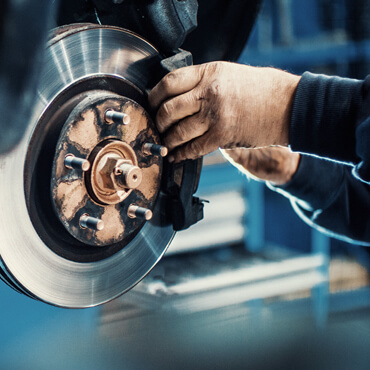
Unlike a rattling exhaust heat shield or a slow window motor, brake issues sit in a different category entirely: they’re a safety system, not a comfort feature. A car with a weak air conditioner is annoying. A car with compromised brakes is dangerous, both to you and to everyone else on the road around you. That’s the main reason brake symptoms deserve faster action than almost anything else on the vehicle.
7 Signs You Need Brake Repair
1. Squealing or screeching when you brake. Most brake pads have a built-in wear indicator — a small metal tab that contacts the rotor and produces a high-pitched squeal once the pad material gets thin. This is intentional; it’s your car telling you the pads need attention soon, not immediately, but soon.
2. Grinding or metal-on-metal sound. This is a step beyond squealing. If you hear grinding, it usually means the pad material has worn through completely and the metal backing plate is now contacting the rotor directly. This causes rapid rotor damage and significantly reduces stopping power — get it looked at as soon as possible.
3. The car pulls to one side when braking. Uneven pulling under braking often points to a caliper that’s sticking on one side, uneven pad wear, or occasionally a fluid issue. It means your braking force isn’t being applied evenly, which affects control, especially in wet conditions.
4. A soft, spongy, or sinking brake pedal. If the pedal feels like it has more travel than usual, or you need to pump it to get full stopping power, there’s a good chance air has entered the brake lines or there’s a fluid leak. This is a symptom to treat seriously rather than “keep an eye on.”
5. Vibration or pulsing through the pedal or steering wheel. This classic symptom usually points to warped rotors, often from heat buildup after repeated hard braking (think long descents or stop-start traffic) or from rotors that have simply worn unevenly over time.
6. The brake warning light is on. Depending on the vehicle, this can indicate low brake fluid, worn pads (on cars with electronic wear sensors), or a fault in the ABS or traction control system. It’s worth a scan rather than a guess — book a diagnostics check alongside the brake inspection if the light stays on.
7. It’s simply been a while since your last brake check. Brake pads generally last between 30,000 and 70,000 km depending on driving style, vehicle weight, and conditions, but there’s no dashboard reminder for pad thickness on most cars. If it’s been longer than that since anyone’s looked at them, it’s worth a check even without obvious symptoms.
What Happens If You Keep Driving on Worn Brakes?
Putting off brake repair rarely saves money — it just moves the cost, and the risk, further down the road. Worn pads left too long damage the rotors they’re pressing against, turning a pad-only job into a pad-and-rotor job. Rotors that keep getting resurfaced or replaced past their minimum thickness eventually need calipers replaced too, once the extra wear starts affecting the whole assembly.
Beyond cost, there’s the obvious safety trade-off: worn brakes mean longer stopping distances, which matters most in exactly the moments you need them most — sudden stops, wet roads, a driver braking hard in front of you on Port Road. It’s one of the few repairs where “I’ll get to it eventually” carries real risk in the meantime.
Brake Pads vs Rotors vs Fluid: What’s Actually Being Replaced?
| Component | What It Does | Typical Lifespan | Signs It Needs Attention |
|---|---|---|---|
| Brake pads | Press against the rotor to create friction and slow the wheel | 30,000–70,000 km | Squealing, thin pad material visible through wheel spokes |
| Brake rotors (discs) | The metal disc the pads clamp onto | 70,000–100,000+ km, or sooner if damaged | Vibration/pulsing, visible grooves or blue discolouration |
| Brake fluid | Transfers pedal pressure to the calipers hydraulically | Every 2 years (time-based, not distance) | Soft/spongy pedal, brake warning light |
| Calipers | Clamp the pads onto the rotor | Often lasts the life of the car if maintained | Pulling to one side, uneven pad wear, sticking |
What a Brake Inspection at Nextech Auto Repairs Covers
When you bring your car in for brake concerns, our technicians check pad thickness on all four wheels, inspect rotor condition and thickness, test the handbrake, and check brake fluid condition and level. If anything’s borderline rather than urgent, we’ll tell you honestly — we don’t believe in replacing parts that still have life left in them, and we’ll always give you fair, transparent pricing before any work begins.
Every repair uses company-approved, genuine parts and comes with our 1,000km warranty. If you’re due for other maintenance at the same time, it’s worth combining the visit with a log book service so everything gets checked in one trip rather than several.
How Adelaide Driving Conditions Affect Brake Wear
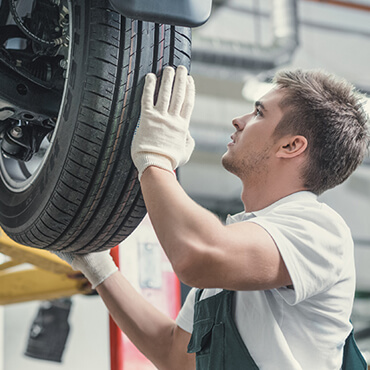
Where and how you drive changes how quickly brakes wear out, and it’s worth knowing where you sit on that scale. Stop-start traffic on routes like Port Road or through the CBD wears pads faster than steady highway driving, simply because the brakes are being used more often per kilometre travelled. Hillier suburbs put more sustained load on the braking system too, since holding speed on a downhill stretch means the brakes are working continuously rather than in short bursts.
Towing, carrying heavy loads regularly, or driving a larger SUV or ute also increases brake wear compared to a lighter hatchback doing the same trip, because there’s simply more weight for the same set of pads and rotors to slow down. None of this means you need to inspect your brakes more often than recommended, but it’s worth mentioning if your driving falls into one of these categories and your pads seem to be wearing faster than expected.
Frequently Asked Questions
How do I know if it’s my brake pads or my rotors that need replacing? Squealing usually points to pads nearing the end of their life. Vibration or pulsing through the pedal or steering wheel usually points to warped or unevenly worn rotors. A physical inspection is the only way to know for certain, since some symptoms overlap.
Is it safe to drive with a grinding noise when braking? No. Grinding almost always means the pad material is gone and metal is contacting the rotor directly, which significantly reduces stopping power and causes rapid, expensive rotor damage. Get it checked as soon as possible.
How much does brake repair cost in Adelaide? Cost depends on what needs replacing — pads only, pads and rotors, or a full caliper service — and varies by vehicle. Ask for an itemised quote upfront so you know exactly what you’re paying for and why.
How often should brake fluid be replaced? Most manufacturers recommend brake fluid replacement every two years regardless of distance driven, since brake fluid absorbs moisture over time, which lowers its boiling point and can affect braking performance.
Can I just replace the brake pads myself? It’s mechanically possible on many cars, but brakes are a critical safety system, and mistakes in caliper reassembly, bedding-in new pads, or catching rotor issues can compromise braking performance in ways that aren’t obvious until you actually need to stop quickly.
Why do my brakes squeal only when it’s cold or wet? Light surface rust or condensation on rotors overnight or in wet weather can cause temporary squealing that clears up after a few brake applications. If the squealing persists once the brakes have warmed up, it’s worth getting checked rather than assumed harmless.
Book a Brake Inspection Today
If you’ve noticed any of these signs, don’t wait for the grinding to start. Book a brake inspection with Nextech Auto Repairs in Queenstown and get an honest, upfront assessment of exactly what your car needs.


