

Adelaide’s roads aren’t the smoothest, and neither are the potholes on some of the older streets around Queenstown and the western suburbs. Every jolt, clunk, and pull you feel through the wheel is your steering and suspension system absorbing that impact — and over time, that wear adds up. Knowing what to listen and feel for means you catch steering and suspension repair needs while they’re still minor, rather than after they’ve turned into a bigger safety issue.
What Do Steering and Suspension Actually Do?
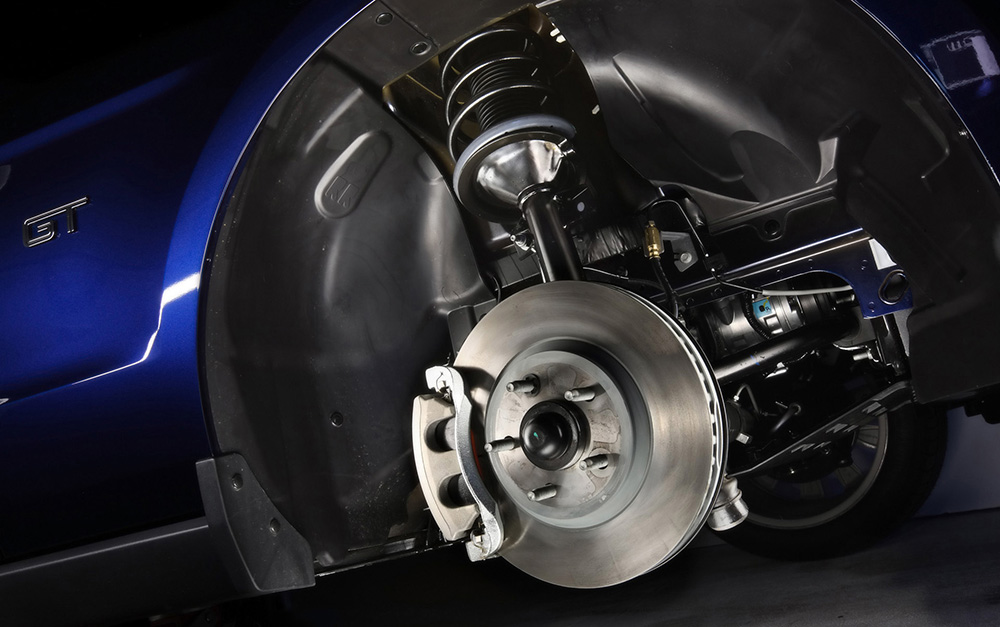
The suspension system — springs, shock absorbers (or struts), and various control arms and bushings — exists to keep your tyres in contact with the road while absorbing the impact of bumps, dips, and corners. Without it working properly, every imperfection in the road would transfer straight into the cabin and, worse, momentarily reduce your tyres’ grip on the road.
The steering system connects your input at the wheel to the direction your front tyres actually point, whether that’s through a traditional rack and pinion setup or an electric power steering system in most newer cars. These two systems work closely together: a fault in one often shows up as a symptom that feels like the other, which is part of why proper diagnosis matters more than guessing based on symptoms alone.
Common Signs of Steering Problems
- The steering wheel feels loose or has excess play before the wheels actually respond to your input — often a sign of worn tie rod ends or steering rack components.
- Difficulty turning the wheel, especially at low speeds or when parking — usually points to a power steering fluid leak or a failing power steering pump.
- A clunking or knocking noise when turning, particularly at full lock — often traced back to worn tie rod ends or ball joints.
- The car doesn’t return to centre easily after a turn — can indicate alignment issues or worn steering components.
- Vibration through the steering wheel at speed — sometimes an alignment or balance issue, sometimes a sign of a more significant steering component wearing out.
Common Signs of Suspension Problems
- A noticeably bouncy or wallowing ride, where the car keeps bouncing after a bump rather than settling quickly — classic worn shock absorber symptom.
- Clunking or knocking over bumps and rough roads — often a worn bushing, ball joint, or control arm.
- The car pulls or dips to one side, especially under braking (nose dive) or in corners — can point to uneven shock wear or a spring issue.
- Uneven tyre wear, particularly wear concentrated on the inside or outside edge of the tread — often linked to worn suspension components affecting your wheel alignment.
- The car sits noticeably lower on one side or one corner — usually a sign of a broken or weakened spring.
Steering vs Suspension: How to Tell the Difference
| Symptom | More Likely Steering | More Likely Suspension |
|---|---|---|
| Clunking when turning the wheel while stationary | ✓ | |
| Clunking over bumps while driving straight | ✓ | |
| Vehicle pulls to one side while driving straight | ✓ (or alignment) | |
| Steering wheel hard to turn | ✓ | |
| Bouncy, wallowing ride | ✓ | |
| Vibration through the wheel at speed | ✓ | |
| Uneven tyre wear | ✓ (or alignment) | |
| Car sits lower on one side | ✓ |
If you’re not sure which category your symptom falls into — and plenty overlap — that’s exactly what a proper inspection is for. Guessing and replacing the wrong part wastes money without fixing the problem.
Why These Issues Shouldn’t Be Left Too Long
Steering and suspension problems tend to get worse gradually rather than all at once, which is exactly why they’re easy to keep driving on. A slightly worn tie rod end doesn’t feel dangerous on a Tuesday. It feels dangerous the day it finally fails, and at that point you’ve lost steering control entirely, potentially at speed.
There’s a compounding cost issue too. Worn suspension components change how your tyres contact the road, which accelerates uneven tyre wear — meaning you may end up needing new tyres sooner than expected on top of the suspension repair itself. Left long enough, a worn control arm bushing can also throw your wheel alignment out, creating a cycle where the car keeps pulling and the tyres keep wearing unevenly no matter how many times you realign it, until the underlying component is actually replaced.
What a Steering and Suspension Inspection at Nextech Auto Repairs Covers

Our technicians check the full steering and suspension system: tie rod ends, ball joints, control arm bushings, shock absorbers or struts, springs, and power steering fluid and belt condition where applicable. We’ll also check for uneven tyre wear patterns, since they often point us straight to which component is failing.
If something needs replacing, we’ll explain exactly what it is, why it matters, and what it costs before doing any work — with fair, transparent pricing and genuine, company-approved parts backed by our 1,000km warranty. Because steering and suspension issues often show up alongside alignment problems, we’ll flag if a wheel alignment is worth doing at the same time rather than treating them as separate visits.
How Often Should Steering and Suspension Be Checked?
Most manufacturers recommend a visual suspension inspection as part of every log book service, roughly every 10,000 to 15,000 km. Shock absorbers typically last 80,000 to 100,000 km under normal conditions, though Adelaide’s mix of highway driving and rougher suburban streets can shorten that lifespan. If you regularly drive on unsealed roads, carry heavier loads, or tow, it’s worth having the suspension checked more frequently than the standard interval.
How Adelaide’s Roads Affect Your Suspension
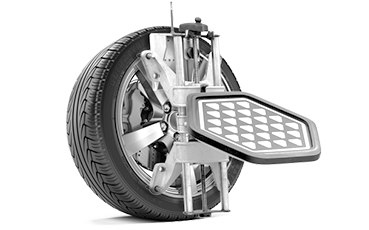
Not all driving conditions wear suspension components at the same rate, and Adelaide has a fairly wide mix within a short drive. Older streets around Queenstown, Port Adelaide, and the surrounding western suburbs often have rougher surfaces and the occasional pothole, both of which put sudden, sharp loads through bushings, ball joints, and shocks that steady highway driving simply doesn’t produce. Speed humps, taken too quickly and too often, have the same effect over time.
If you regularly drive gravel or unsealed sections, tow a trailer or caravan, or carry heavier loads than the car was really built for, your suspension components are working harder on every trip and will typically need attention sooner than the general 80,000 to 100,000 km guideline. None of this means you need to worry unnecessarily — it just means it’s worth mentioning your typical driving conditions when you bring the car in, since it helps a technician judge whether wear you’re seeing is about right for the distance, or happening faster than it should.
Frequently Asked Questions
How do I know if it’s my suspension or my alignment that’s causing the pull? A pull can be caused by either, which is why it’s worth having both checked together. Alignment issues are often caused or worsened by worn suspension components, so fixing the alignment without addressing a worn part usually means the pull comes back.
Is it safe to drive with worn shock absorbers? It’s not immediately dangerous in most cases, but worn shocks reduce your tyres’ grip on the road, particularly during braking and cornering, and lengthen your stopping distance. It’s not something to leave indefinitely.
How much does steering and suspension repair cost in Adelaide? Cost depends heavily on which component needs replacing, ranging from a relatively affordable tie rod end to a more significant shock absorber or control arm job. Ask for an itemised quote once the specific fault is diagnosed.
Why is my steering wheel vibrating at highway speed? This is most often caused by wheels being out of balance or misaligned, but it can also indicate a worn steering or suspension component, particularly if the vibration is accompanied by a clunking noise or uneven tyre wear.
Can bad suspension cause my tyres to wear unevenly? Yes. Worn shocks, struts, or control arm bushings change how consistently your tyres contact the road, which commonly shows up as wear concentrated on the inside or outside edge of the tread rather than evenly across the surface.
Do I need a wheel alignment after a suspension repair? Often, yes. Replacing steering or suspension components can change the vehicle’s alignment settings, so it’s standard practice to check and, if needed, realign the wheels after significant suspension work.
Book a Steering and Suspension Check
If your car’s been clunking over bumps, pulling to one side, or just doesn’t feel as planted as it used to, get it checked before it becomes a bigger issue. Book a steering and suspension inspection with Nextech Auto Repairs in Queenstown today.


